Self-Employment Tax Calculator

Estimate the self-employment tax you owe on freelance, contractor or small-business profit in the United States. The calculator applies the 92.35% earnings rule, the Social Security wage base for 2026 or 2027, W-2 wages you already earned, and the 0.9% Additional Medicare Tax.

Free · No sign-up Business & Finance
$
Business income minus business expenses (Schedule C line 31, or your share of partnership SE income).
$
Wages already taxed for Social Security reduce the earnings subject to the Social Security part of SE tax. For married couples, enter only your own wages here.
Your own estimate of federal and state income tax, used only for the "set aside" total.

Self-employment tax

–

An estimate for US federal self-employment tax only (Schedule SE and Form 8959), using IRS rates and the Social Security wage base for the year chosen. It is not tax advice and does not include income tax, state taxes or special situations such as church employee income or farm optional methods.

How to use the Self-Employment Tax Calculator

  1. Choose the tax year and your filing status.
  2. Enter your net self-employment profit (income minus business expenses).
  3. If you also had a job, enter your W-2 wages.
  4. Optionally enter an income tax rate to see a total amount to set aside.

Examples

$85,000 of net profit gives net earnings of $78,497.50 (× 92.35%). Social Security tax is $9,733.69 and Medicare tax is $2,276.43, so self-employment tax is $12,010.12. Half of it, $6,005.06, is deductible when you calculate income tax.

How it works

Self-employment tax is the self-employed version of the Social Security and Medicare taxes withheld from employees’ pay. You pay both the employee and employer shares:

  • Net earnings = Net profit × 92.35% (no SE tax if this is under $400)
  • Social Security = 12.4% of net earnings, up to the wage base ($184,500 for 2026, $192,300 for 2027) minus W-2 Social Security wages
  • Medicare = 2.9% of all net earnings
  • Additional Medicare Tax = 0.9% above $200,000 (single), $250,000 (married filing jointly) or $125,000 (married filing separately), reduced by W-2 Medicare wages

This is an estimate, not tax advice. Income tax is separate and usually larger.

Frequently asked questions

What is the self-employment tax rate?
15.3% on net earnings: 12.4% for Social Security (up to the annual wage base) and 2.9% for Medicare. A further 0.9% Additional Medicare Tax applies above certain income levels.
Why is profit multiplied by 92.35%?
It mirrors the fact that employers deduct their half of payroll taxes. Multiplying by 92.35% (100% − 7.65%) gives your net earnings from self-employment, the amount the tax is charged on.
Do I need to make quarterly estimated payments?
Usually, if you expect to owe $1,000 or more for the year after withholding and credits. Federal estimated payments are generally due in April, June, September and January. Check IRS Form 1040-ES or ask a tax professional.
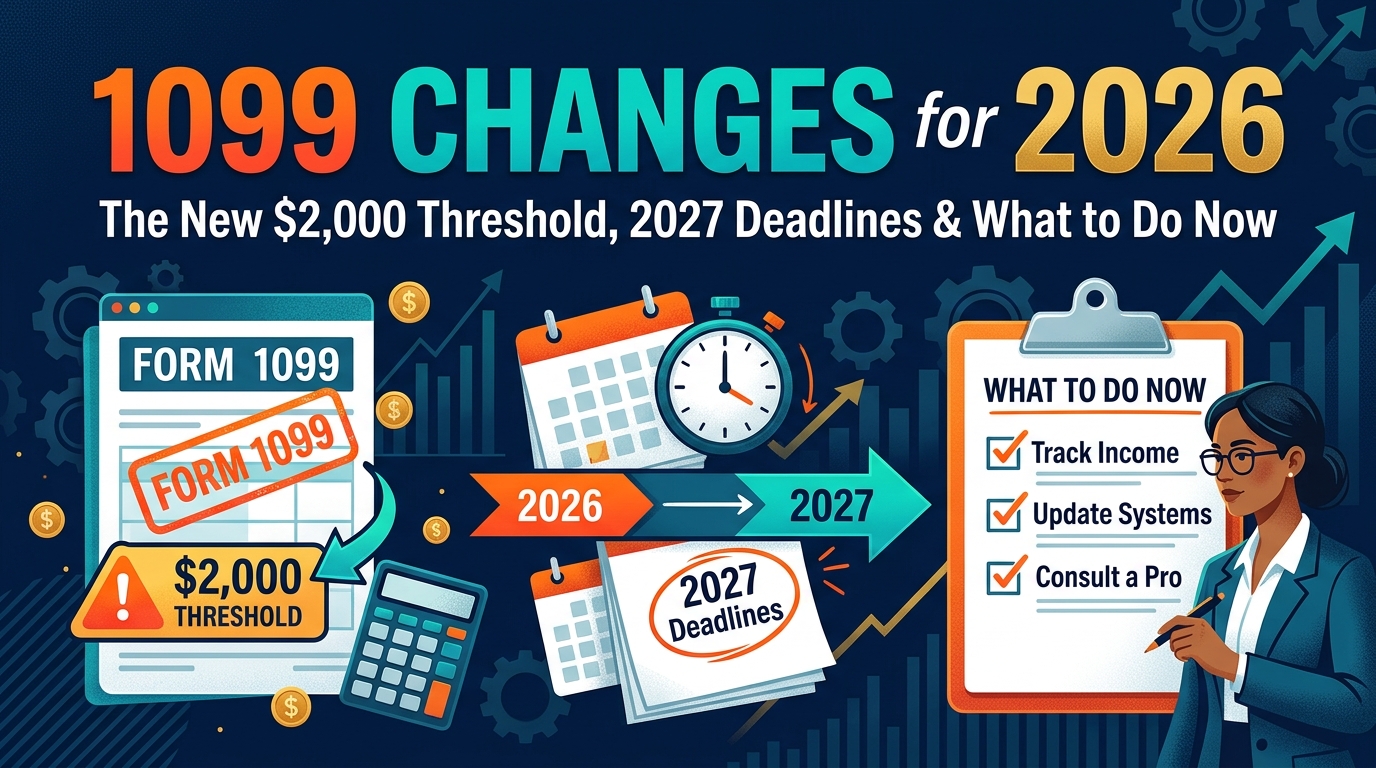
Does the new $2,000 1099 threshold change my tax?
No. The threshold only decides whether a client must send you a 1099-NEC. All self-employment income is taxable whether or not you receive a form.

Related guides